
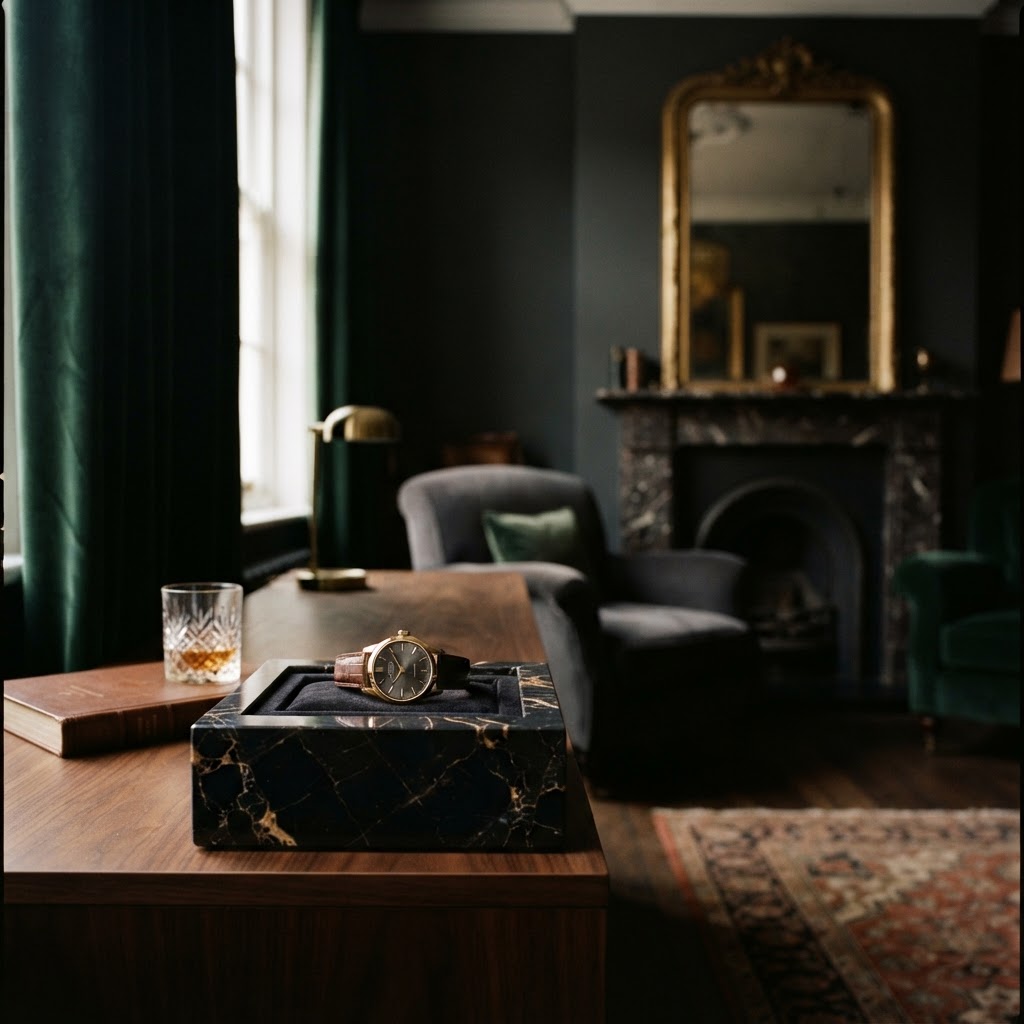
The Currency of Inaccessibility
In the rarefied air of Mayfair boardrooms and private family offices in Geneva, a subtle shift is occurring. The era of the mass-prestige model is waning, replaced by a strategic retreat into the shadows of exclusivity. For the modern high-net-worth individual, luxury is no longer defined by the ability to purchase; it is defined by the privilege of being invited to participate. This is the new architecture of scarcity, and it is proving to be the most potent instrument in the strategist's toolkit.
Beyond the Waitlist
Historically, brands like Hermès mastered this with the Birkin—a product that effectively functioned as a high-yield asset class due to its controlled supply. Today, that model has evolved into the 'gated economy.' Consider the private members' clubs of St. James’s or the ultra-bespoke automotive commissions from Rolls-Royce Coachbuild. These are not merely products; they are social barometers. By intentionally throttling supply, brands are doing more than maintaining pricing power; they are creating a friction that elevates the consumer’s desire into a pursuit of legacy.
In the world of ultra-luxury, the most expensive thing you can buy is access. True value resides not in what is on the shelf, but in what remains permanently out of reach.
The Investment Lens
Wealth management firms and private banks are increasingly recognizing that the assets worth holding are those with supply constraints baked into their DNA. When a boutique watchmaker like Philippe Dufour releases a timepiece, it is not merely a purchase; it is a stake in a scarce cultural narrative. For the savvy entrepreneur, the lesson is clear: democratization is the death of luxury. To scale, one must avoid the trap of ubiquity. Instead, the most sophisticated market leaders are building 'niche monoliths'—brands that cater to a global audience of fifty, not fifty thousand.
The Future of Bespoke Service
In the realm of concierge services and premium hospitality, the trend manifests as 'hyper-personalization through exclusion.' Aman Resorts has long understood this; their properties are not built to be occupied by the masses, but to serve as sanctuaries for the few. This philosophy is filtering down into every touchpoint of the luxury sector. Clients now demand that their brand interactions be as private as their investment portfolios. The digital age promised transparency, but the new luxury promised the exact opposite: the quiet, curated, and completely impenetrable.
As we look toward 2027, the brands that will dominate the portfolios of the ultra-wealthy are those that possess the courage to say 'no.' By mastering the art of absence, these entities are doing more than selling goods; they are crafting myths. And in the final analysis, for the HNW individual, a myth is the only thing truly worth owning.