
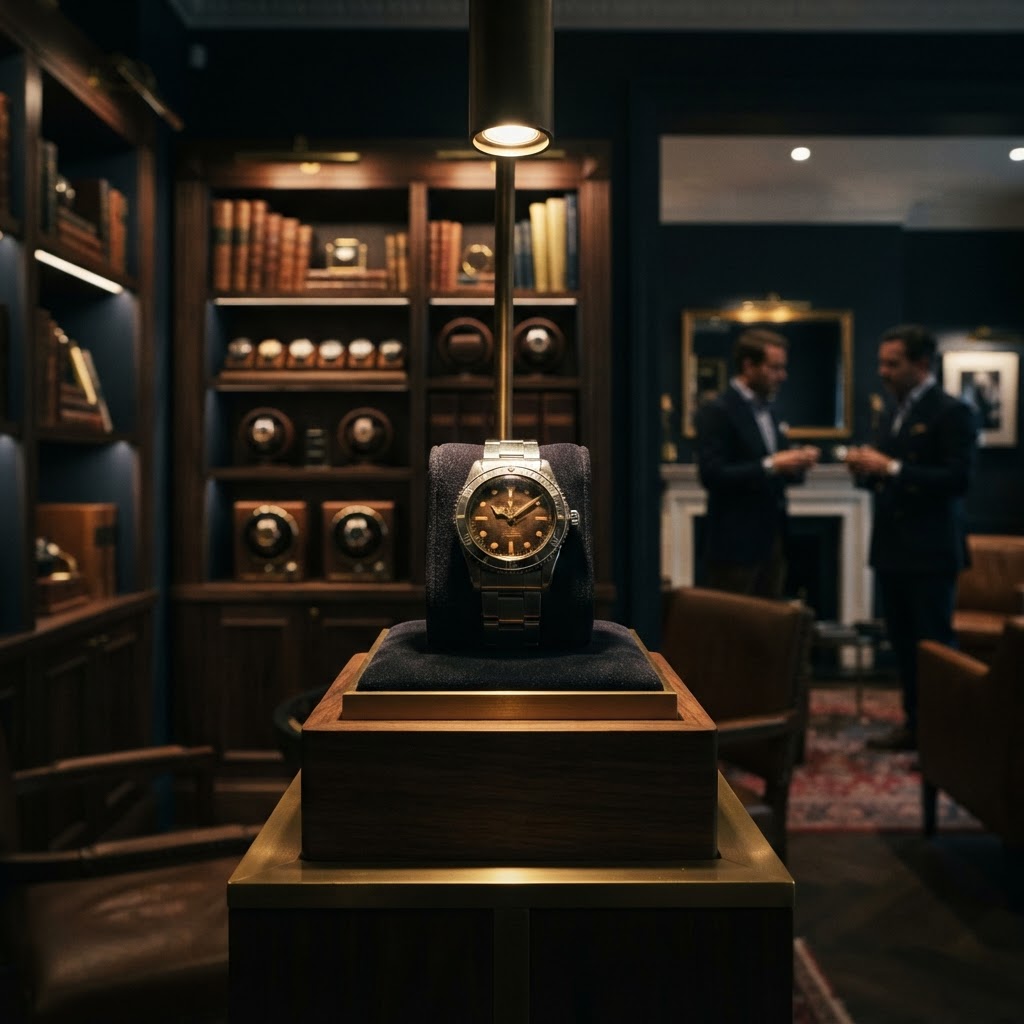
In the rarefied air of Mayfair, where wealth is often measured not by acquisition but by access, a quiet revolution is unfolding. The once-crowded boutiques of Bond Street are increasingly becoming appointment-only sanctuaries, and the 'open house' policy of the mid-2010s is being replaced by a more rigorous, tiered approach to client relations. For the high-net-worth investor, this shift signals a return to the foundational pillar of luxury: scarcity.
The Psychology of the Unattainable
As noted by analysts at LVMH and Kering, the value of a luxury asset is inversely proportional to its visibility. While the democratization of 'aspirational' goods drove growth for decades, the current market climate—favored by family offices and sophisticated private equity—prioritizes brands that possess the 'courage to say no.' Whether it is an Hermès Birkin or a bespoke timepiece from Patek Philippe, the waitlist is not merely a logistical bottleneck; it is a profound psychological tool that confirms the brand's position at the pinnacle of the social hierarchy.
True luxury is the privilege of being ignored by the masses, yet recognized by the elite.
Portfolio Diversification Through Provenance
For the modern private banking client, luxury goods have transitioned from mere lifestyle accoutrements to sophisticated, alternative asset classes. When a luxury house limits supply to drive demand, they are essentially managing a synthetic scarcity that acts as a hedge against inflation. This strategy, effectively managed by the likes of Richard Mille or the ultra-exclusive watchmaker Philippe Dufour, ensures that liquidity remains secondary to long-term valuation. In the quiet corridors of Geneva’s private banks, these assets are now audited with the same rigor as traditional equity portfolios.
The End of the Infinite Supply Chain
The contemporary luxury concierge service is no longer about fulfilling whims; it is about navigating the 'velvet rope' of supply chains. As global wealth concentrates further, top-tier brands are pivoting away from global scale. We are witnessing the rise of 'Hyper-Local Luxury,' where production is restricted not just by craftsmanship hours, but by geographical quotas. It is a strategy that honors the scarcity of skilled labor while ensuring that the brand equity remains untarnished by the perception of over-commercialization.
The Verdict for the Discerning Investor
For the entrepreneur and the investor alike, the lesson is clear: if you are everywhere, you are nowhere. The brands that will survive the next decade are those that protect their mystique with zeal. By curating a client list as carefully as a wine cellar, these houses ensure that their products remain a badge of membership rather than a commodity of commerce. In the world of high finance and high fashion, scarcity is not a marketing tactic—it is the ultimate luxury.