The New Gatekeepers of Value
In the quiet, wood-paneled corridors of London’s private banks and the hushed offices of Mayfair family suites, a subtle shift is underway. For the modern ultra-high-net-worth individual, capital preservation has evolved beyond traditional portfolios; it now encompasses the curated acquisition of the unobtainable. As the democratization of 'luxury' dilutes the marketplace, the world’s most venerable houses have retreated into a fortress of calculated scarcity.
The essence of luxury is not merely expense, but the deliberate, elegant withholding of access.
Hermès, with its legendary waitlists for the Birkin and Kelly, remains the gold standard for this strategy. It is not a design choice; it is an economic philosophy. By maintaining a strict ceiling on production, the brand ensures that its secondary market value often exceeds its primary price, effectively turning a retail purchase into an immediate asset appreciation. This is the alchemy of absence—the transformation of a material object into a vessel of cultural and financial prestige.
The Strategy of the Invisible
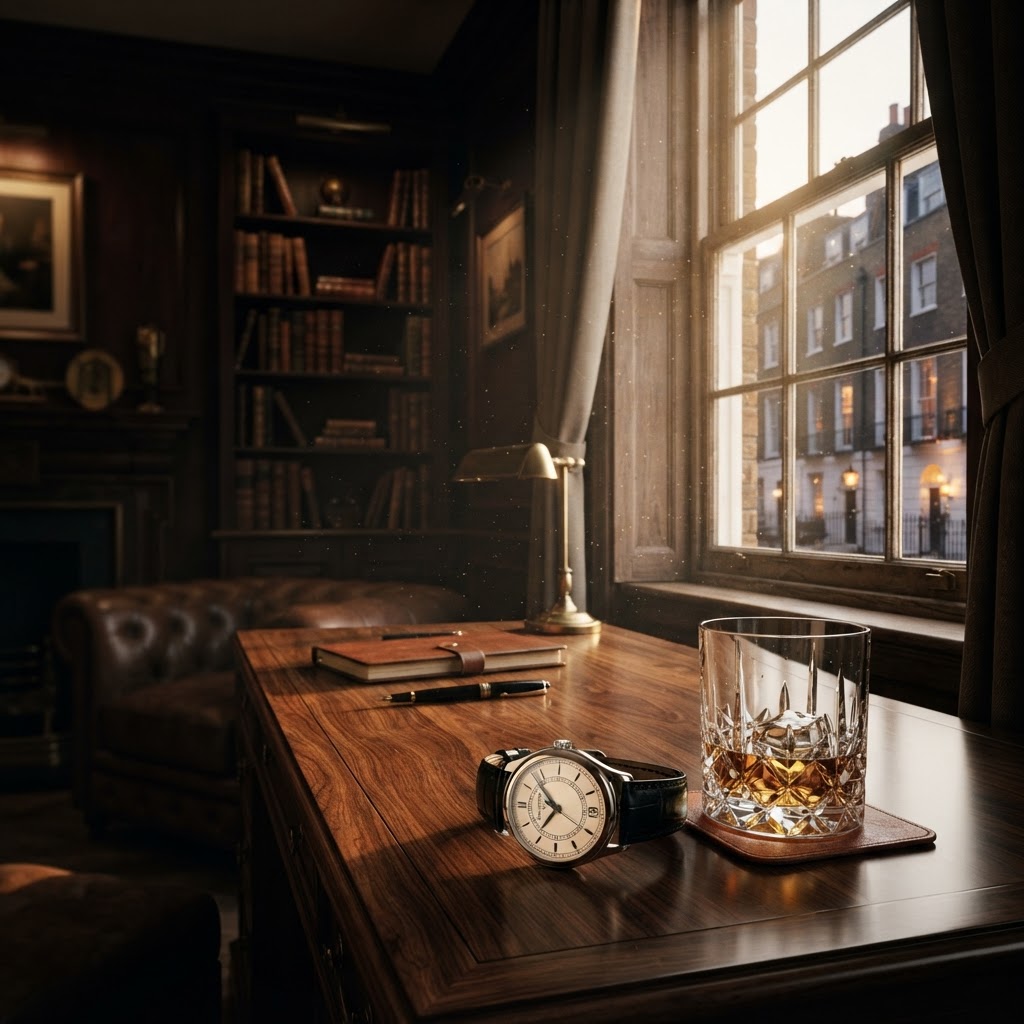
At the upper echelons of horology, brands like Patek Philippe and Audemars Piguet operate on a similar principle. Purchasing a Nautilus or a Royal Oak is no longer a transaction; it is an induction. This 'invite-only' retail environment mirrors the exclusivity of private members' clubs like Annabel’s or the high-stakes world of private aviation. Entrepreneurship in the luxury space has pivoted from scaling volume to engineering desire through restriction.
For the family office advisor, this shift is critical. When advising on alternative asset classes, one must look toward brands that prioritize 'Veblen' characteristics—goods for which demand increases as the price rises and supply diminishes. This is where wealth management meets cultural strategy. Whether it is an ultra-rare vintage from the cellars of Château Pétrus or a bespoke commission from a house like Rolls-Royce, the scarcity is the collateral.
The Future of Concierge Capital
Luxury concierge services now function as the essential intermediaries in this exclusive ecosystem. Clients no longer seek products; they seek the 'access key' to a procurement pipeline that is hidden from the public gaze. The true luxury entrepreneur of 2026 is one who understands that in a hyper-connected, AI-driven world, the most profound statement of wealth is the ability to say 'no.' By creating barriers to entry, brands do not alienate their customers; they validate their status.
As we look toward the next decade of wealth, we expect this trend of 'radical exclusivity' to intensify. The mass market will continue to chase trends, while the true elite will seek out the quiet, the bespoke, and the impossible to find. In the end, the luxury brand of the future will not be measured by its revenue growth, but by the length of its waiting list and the silence that follows its name.