
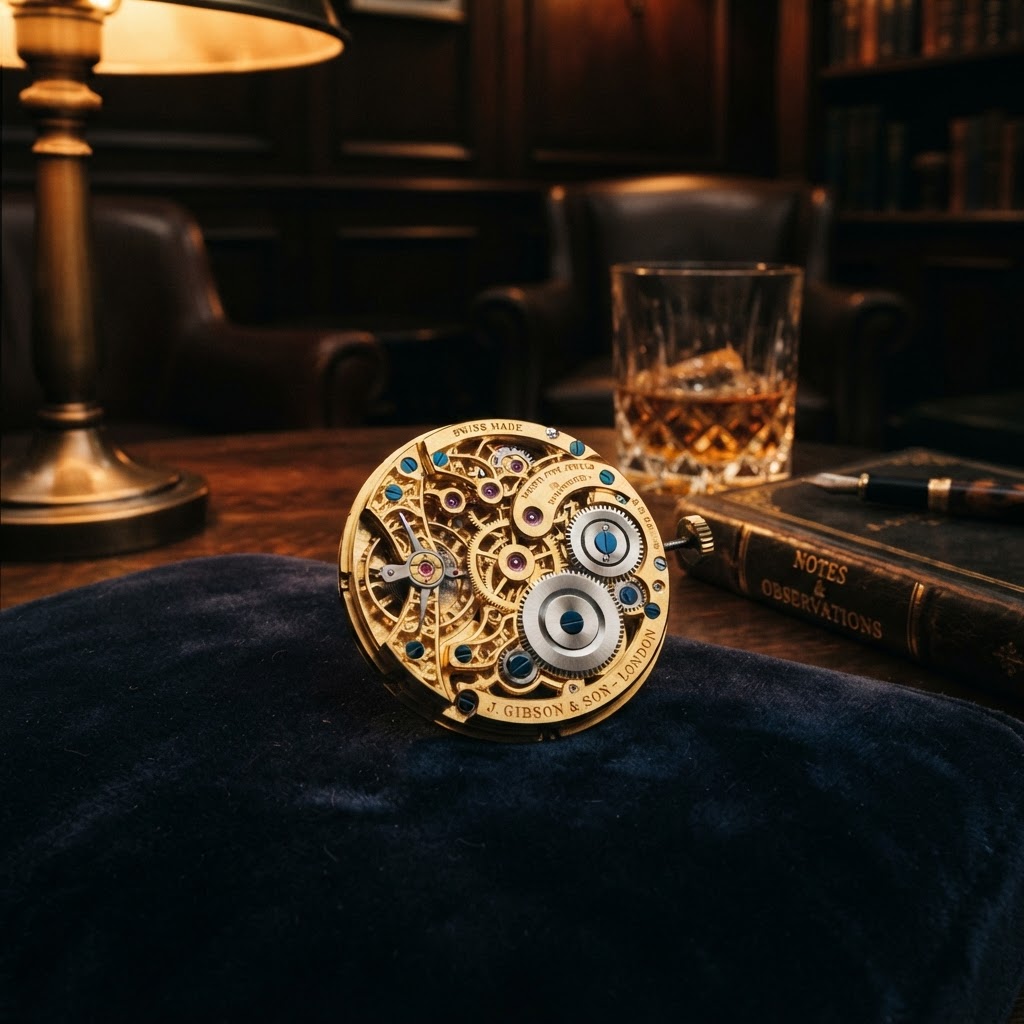
In the quiet, wood-paneled corners of the Arts Club in Mayfair, over glasses of vintage Krug and the lingering scent of fine tobacco, the conversation among London’s elite rarely drifts toward the common. Today, the discourse has shifted from the provenance of a Basquiat to the intricate mechanics of a custom-complication watch. For the modern high-net-worth individual, mass-produced prestige is yesterday’s news. We are entering the age of the bespoke horological commission, where the true currency of time is not market value, but absolute individuality.
The Renaissance of Personalization
"To own a timepiece that bears your signature is to claim your place in history," explains Julian Thorne, an independent horological consultant who bridges the gap between collectors and the secretive ateliers of Switzerland. Unlike the standardized offerings of a heritage house, a bespoke watch is a dialogue. It begins with a vision—perhaps a specific guilloché pattern inspired by the geometric architecture of a private estate in Surrey, or a movement finish that mirrors the midnight blue of an Alpine spa retreat.
The Architecture of Intimacy
True bespoke luxury demands more than a dial change. It requires the master watchmaker to strip away all preconceptions. At independent houses like Voutilainen or Kari Voutilainen’s esteemed workshop, the process is akin to commissioning a portrait. The client is invited into the studio, witnessing the raw brass of the movement being hand-beveled and polished to perfection. It is a sensory experience that rivals the finest Michelin-starred dining, requiring patience, palate, and a deep appreciation for the unseen.
The value of a bespoke timepiece is not in its weight in gold, but in the weight of the hours spent by the master artisan creating it solely for the wrist of one individual.
We see this trend bleeding into other spheres of the affluent life. Just as the modern collector curates their cellar with rare vintage wines and ensures their skincare regimen is tailored by dermatological artisans, the watch has become the ultimate articulation of one’s identity. Whether it is an engraved balance cock that hides a personal motif or a custom-calibrated moon phase complication based on one's birthplace, these details are the secret handshakes of the global elite.
A Legacy Beyond the Market
While the investment potential of a Patek Philippe or a rare Rolex is undeniable, the bespoke piece occupies a different category entirely. It is not an asset intended for the hammer at Sotheby’s; it is an heirloom meant for the next generation. These watches are often gifted during milestone moments—perhaps as a legacy piece to be worn during a family's annual retreat to the Swiss Alps or at a formal gallery opening. They hold a sentimental premium that no auction house could ever quantify.
Ultimately, the movement toward the bespoke watch is a rejection of the algorithmic convenience of the 21st century. It is a call for craftsmanship that breathes. For the Chelsea reader, the pursuit is clear: find the master who understands your vision, embrace the years of waiting, and wear a piece that is as unique as your own pulse.