
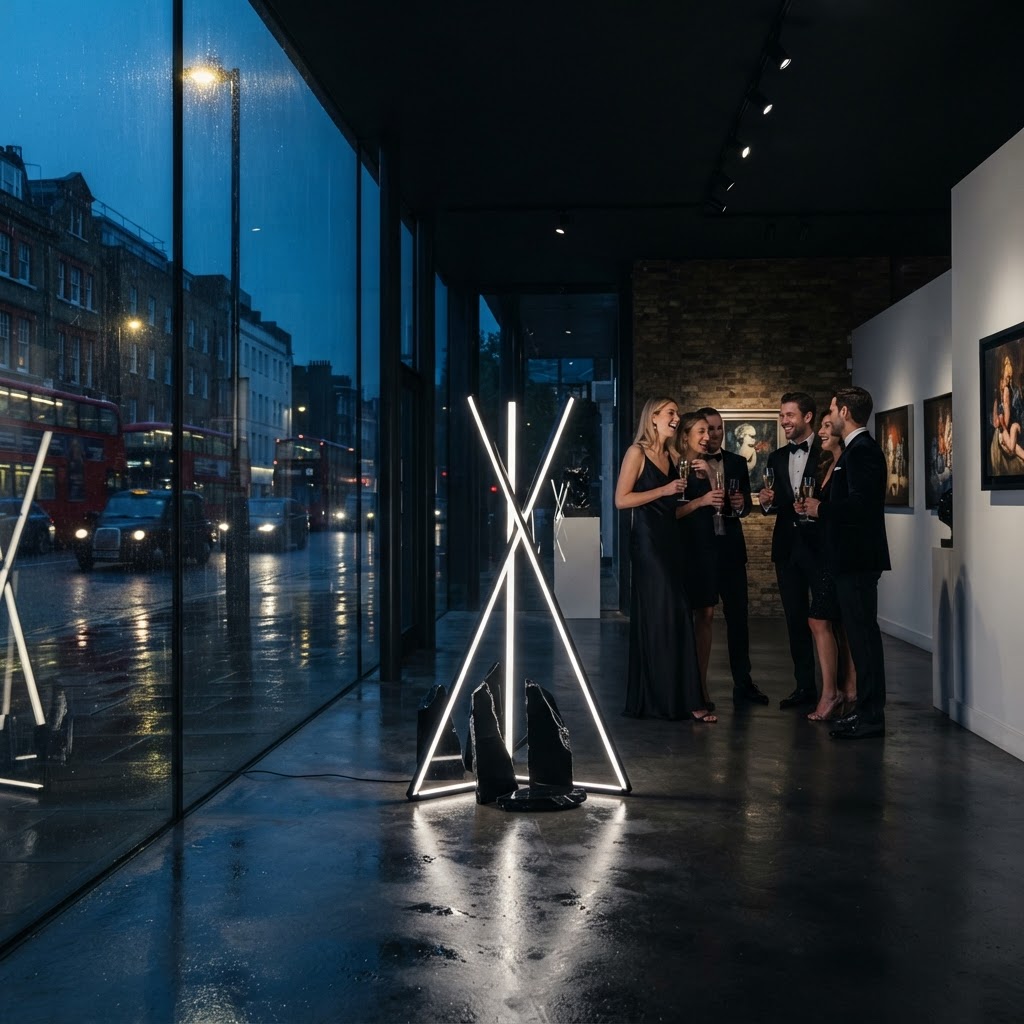
In the quiet, cobblestoned pockets of SW3, a seismic shift in the cultural landscape is currently underway. By November 2026, Chelsea has transitioned from a traditional repository of established art into a vanguard of experimental brilliance. The discerning eye of the collector now finds itself drawn not merely to the storied walls of the Saatchi, but to a burgeoning network of private salons and hyper-curated spaces that are challenging our perceptions of contemporary expression.
The Private Salon Reimagined
The days of the cavernous, public gallery are, for the ultra-high-net-worth individual, becoming a relic. In 2026, the movement is defined by intimacy. Take, for example, The Pavilion of Mirrors on Cheyne Walk, a members-only sanctuary where emerging light-sculptors like Elena Vane are debuting works that blur the line between digital holography and classical glasswork. It is here that one finds the intersection of tech-wealth and traditional patronage, with evening viewings accompanied by vintage Krug and intimate, whispered dialogues between artists and their benefactors.
The art world no longer seeks the approval of the masses; it craves the focused gaze of the few. Our role is to curate experiences, not just curate exhibitions. — Julian St. Claire, Gallery Director
High-Society Cinema and the Private Premiere
Beyond the visual arts, the Chelsea cinematic experience has been entirely rewritten. The re-opening of the historic Cadogan Cinema as a boutique venue for global auteurs has become the premier social currency of the season. Forget the blockbuster; 2026 in Chelsea is about the 'Slow Premiere'—exclusive viewings followed by orchestral accompaniments in the Royal Hospital’s Great Hall. Last month’s screening of the latest archival documentary on opera legend Ilaria Rossi drew the city’s most influential patrons, proving that the synergy between film and classical performance is the defining cultural cocktail of the decade.
The Convergence of Form
What makes this iteration of Chelsea so intoxicating is the fluidity between disciplines. One does not simply attend a gallery opening anymore; one attends a performance. The integration of ballet into the architectural landscapes of our newest galleries—where dancers from the Royal Ballet move through live installations—has created an immersive ecosystem. It is an unapologetic display of opulence that feels both grounded in Chelsea’s rich heritage and daringly futuristic.
As we look ahead to the winter season, the calendar remains dominated by private gala dinners hosted within the hushed, velvet-draped rooms of the townhouses along Sloane Square. Whether it is the collaboration between Loro Piana and sculptor Marcus Thorne or the private concert series hosted by the Chelsea Arts Club, the message is clear: the modern cultural scene is no longer a public spectacle. It is a curated, private, and profoundly sophisticated dialogue that only those in the know are privy to witness.