
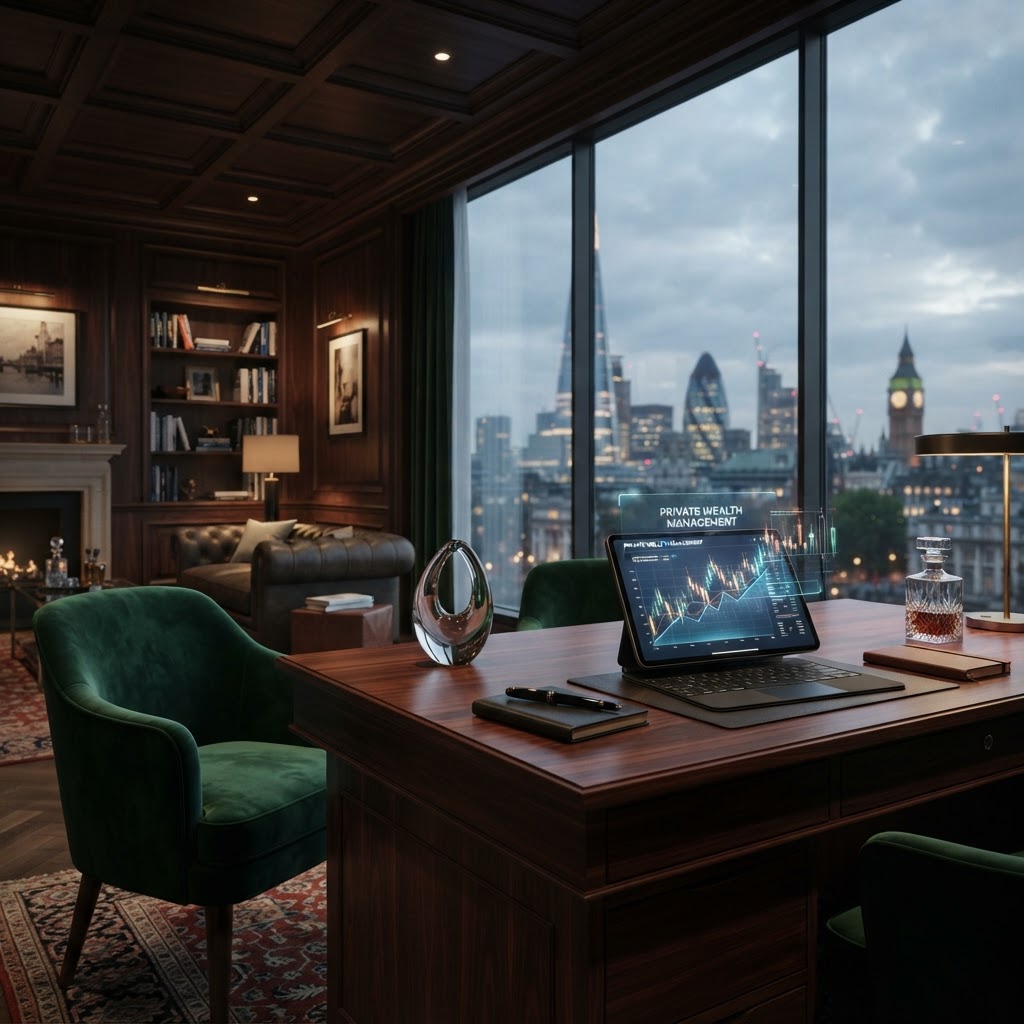
In the velvet-lined corridors of Mayfair and the glass-fronted boardrooms of Canary Wharf, the dialogue surrounding wealth management has shifted. It is no longer merely about the preservation of capital; in 2026, the mandate is about the synthesis of legacy, liquidity, and lifestyle. As we navigate a landscape shaped by rapid technological disruption and geopolitical fluidity, the world’s high-net-worth individuals are retreating from the generic, embracing instead the hyper-specialised world of the private multi-family office.
The Bespoke Mandate
For the UHNW sector, the era of the 'off-the-shelf' investment strategy is effectively over. The modern client demands a bespoke ecosystem. Today’s premier private banks—think Coutts, J.P. Morgan Private Bank, and the discreet boutique firms lining St. James’s—have pivoted to become lifestyle custodians. According to Elena Vance, lead strategist at Sterling & Cross, 'Our clients are not looking for a quarterly performance report; they are looking for a concierge of capital. They want an architecture that manages their liquidity, their philanthropic foundations, and their cross-border real estate portfolios within a single, unified lens.'
Wealth in 2026 is less about what you own and more about the agility with which you move it through a volatile, digitally fragmented global economy.
The AI-Human Symbiosis
The integration of artificial intelligence within private banking has moved past the novelty phase. By 2026, predictive analytics are being used to anticipate tax events before they manifest. Yet, in the gilded rooms of the private banking world, the 'human touch' remains the ultimate luxury. Algorithms may handle the high-frequency rebalancing of portfolios, but the delicate negotiation of generational wealth transfers and the strategic acquisition of rare assets—be it a vineyard in Bordeaux or a stake in a burgeoning fusion energy startup—remain profoundly human endeavours.
Beyond the Ledger: The Luxury Concierge Merge
We are witnessing a fascinating convergence where private banking meets premium hospitality. For the ultra-wealthy, time is the only truly finite asset. Consequently, the leading private banking groups are partnering with exclusive concierge firms like Quintessentially to offer seamless integration. Access to high-stakes art auctions at Sotheby’s, private viewings at Art Basel, or securing an 'off-market' penthouse in One Hyde Park has become a standard feature of the private banking service suite. Wealth management has become the gateway to a life frictionless and absolute.
The Rise of the Neo-Family Office
As entrepreneurs from the tech and creative sectors enter the UHNW bracket, they are bypassing traditional institutional structures in favour of the Neo-Family Office. These entities are leaner, faster, and more culturally aligned with the values of the next generation. They prioritise ESG mandates that reflect tangible impact, moving away from symbolic sustainability toward genuine environmental stewardship. In London, these offices are increasingly congregating in private members' clubs, blurring the lines between business development and social cohesion.
As we gaze toward the remainder of the decade, it is clear that the future of wealth management lies in transparency, hyper-customisation, and an unwavering commitment to the client’s bespoke vision of success. In 2026, the elite are not just protecting their wealth; they are architecting the world they wish to leave behind.