
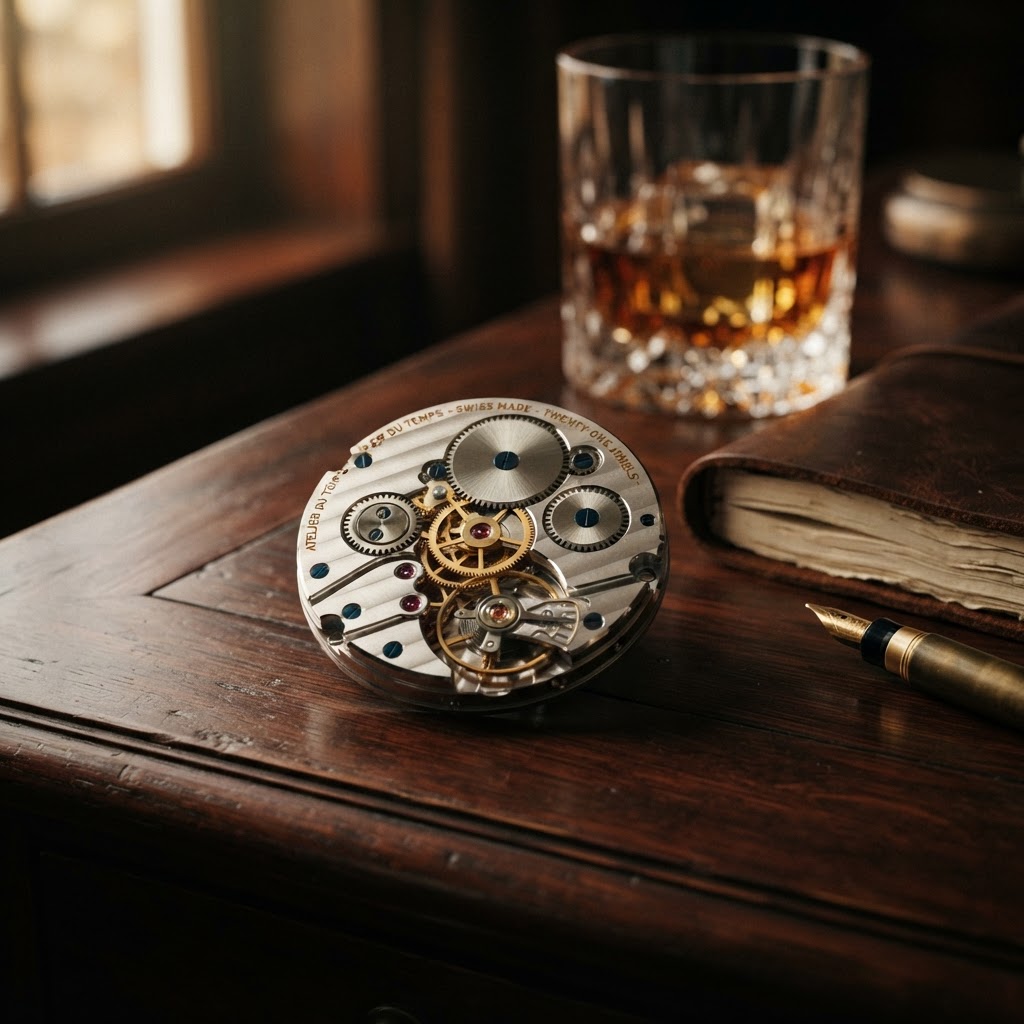
In an era of mass-produced convenience, true luxury has retreated into the sanctuary of the bespoke. For the modern collector, the search for rarity is no longer confined to the auction houses of Mayfair or the private salons of Geneva; it is now found in the microscopic detail of a hand-finished movement and the whisper of a custom-engraved dial. As we navigate a world where digital ubiquity threatens the tactile, the bespoke timepiece stands as the final, defiant bastion of human ingenuity.
The Anatomy of Obsession
To commission a timepiece is to enter a dialogue with history. It is a slow, rhythmic process that stands in stark contrast to the frenetic pace of contemporary life. Whether one is collaborating with independent masters like Philippe Dufour or navigating the private commissions of Vacheron Constantin’s Les Cabinotiers department, the experience is inherently intimate. The collector is not merely purchasing a watch; they are commissioning a narrative.
The value of a bespoke watch does not lie in its price, but in the hours of silence spent by the artisan before the work begins.
Curation as a Lifestyle
This pursuit of horological perfection often dovetails with other pillars of the refined life. One does not simply wear a bespoke timepiece; it is a companion to one's broader aesthetic choices. It is the weight of white gold against a bespoke Huntsman suit, the silent companion at a private tasting of 1982 Petrus in a members-only club, or the subtle glint of a skeletonised movement catching the light during an exclusive spa retreat in the Swiss Alps.
The convergence of interests—fine art, rare spirits, and bespoke horology—forms the bedrock of the modern high-net-worth identity. Collectors are increasingly seeking 'totality' in their acquisitions. They demand that their watches mirror the sophistication of their skincare regimens and the provenance of the caviar gracing their dining tables. It is an interconnected web of excellence where craftsmanship remains the only common currency.
The New Vanguard
Today’s collectors are bypassing the mainstream icons in favor of the 'independents'. These maisons, often tucked away in small ateliers, represent the zenith of the craft. Brands such as F.P. Journe or Greubel Forsey are no longer obscure names; they are the gold standard for those who understand that true luxury is rarely shouted. They offer a level of customization that the conglomerate giants cannot match—bespoke dial configurations, unique complications, and hand-finished bridges that serve as a signature of the wearer’s personality.
Investing in Legacy
Ultimately, the bespoke watch is an inheritance piece. Unlike a luxury car or a high-end electronic device, a custom-made watch possesses a soul that matures with age. It is a vessel for family heritage, a mechanical heartbeat that will outlive its owner. In the quiet chambers of private estates from Knightsbridge to Singapore, these pieces are being curated not just for the present, but for the centuries to come.
As we look toward the future, the definition of luxury will continue to shift. However, the allure of the bespoke—the ability to imbue an object with one's own vision—will remain the ultimate expression of the individual. In the end, the luxury of time is the only one that truly matters.