
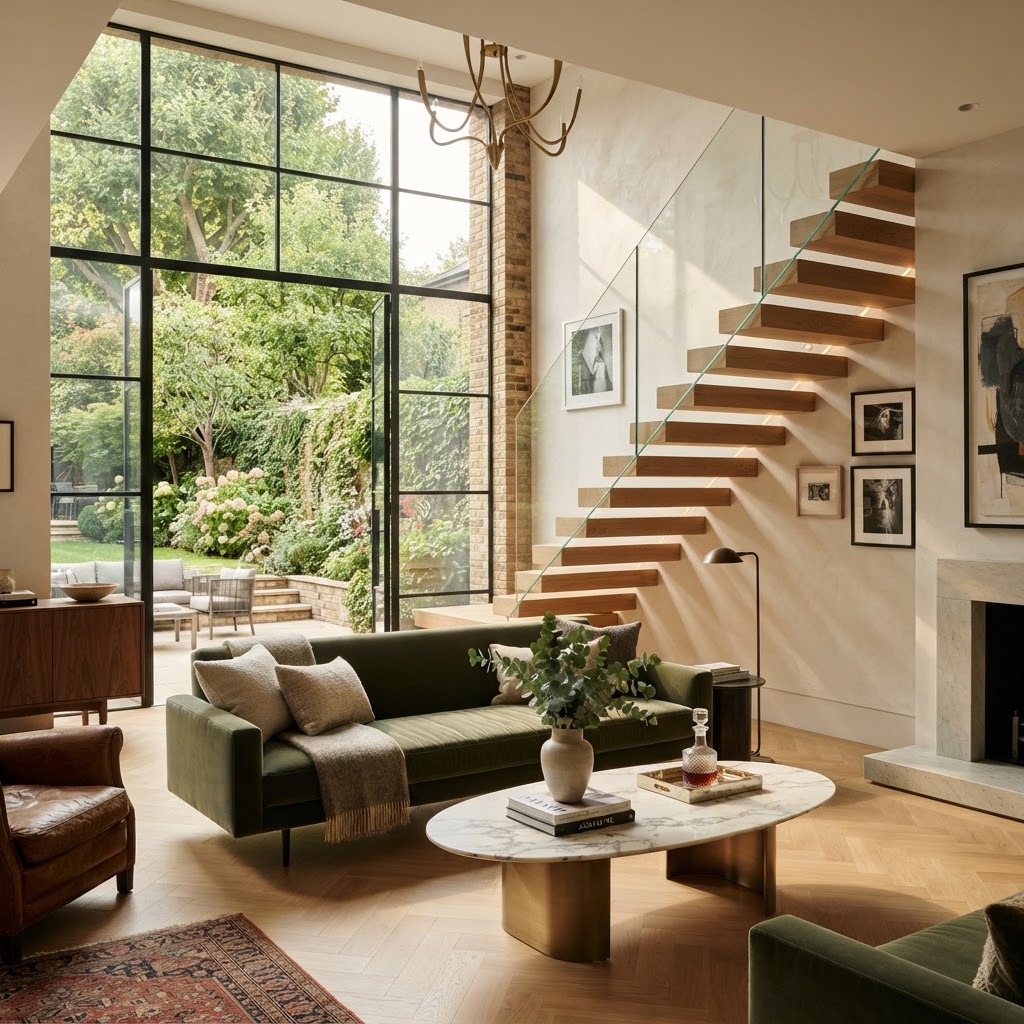
The Anatomy of Modern Grandeur
In the quiet, cobblestoned pockets of Chelsea and the expansive vistas of Knightsbridge, the definition of the 'trophy property' is undergoing a radical metamorphosis. Where once the architectural conversation was dominated by the preservation of Victorian facades and Regency symmetries, a new vanguard is emerging—one that marries deep-rooted heritage with a daring, sculptural modernism. As an architectural critic, it is rare to witness such a profound departure from the status quo, yet the current climate of prime London real estate demands exactly this evolution.
The Biophilic Turn
The modern luxury dweller is no longer content with mere square footage. Today, wellness and connectivity to the natural world are the true luxuries. Renowned architectural firms are moving away from the 'glass box' aesthetic, instead favoring organic silhouettes and living environments that breathe. In recent townhouse redevelopments off Sloane Square, we are seeing the integration of vertical gardens that cascade down the rear elevations, curated by experts such as Luciano Giubbilei. These are not merely decorative additions; they are structural considerations that influence air quality, light diffusion, and the psychological wellbeing of the inhabitant.
The Art of Subterranean Luxury
Perhaps the most significant architectural shift in the last half-decade is the 'underground renaissance.' Restrictions on external alterations in protected conservation areas have forced the brightest minds in property development to look downward. The result is nothing short of subterranean theater: double-height wellness suites, temperature-controlled wine vaults, and private art galleries that rival the Saatchi. When I spoke with a leading architect from Foster + Partners, they noted, 'The basement is no longer a storage solution; it is a canvas for the most adventurous elements of domestic design.'
True architecture is the art of balancing the ghosts of the past with the demands of the future.
Craftsmanship in the Age of Precision
While the architectural shell is becoming more fluid, the interior materiality is experiencing a return to tactile, artisanal craftsmanship. We are witnessing a move away from the sterile 'white box' aesthetic that defined the early 2010s. In its place, homes are being finished with bespoke joinery from firms like Poliform, utilizing rare, sustainable woods and patinated bronzes that age with grace. The focus has shifted from the brand name of the kitchen to the narrative of the stone—with Italian Arabescato and rare Nero Marquina marbles sourced from specific quarries to ensure a unique, vein-matched flow throughout the residence.
Tech-Integrated Minimalism
Of course, no luxury property in 2026 is complete without seamless technological integration. Yet, the current trend is 'invisible tech.' Smart home systems are now so deeply embedded into the fabric of the home that the technology remains unseen until summoned. Lighting scenes are calibrated to mimic natural circadian rhythms, and acoustics are hidden behind acoustic-transparent silk wall panels. This is the zenith of contemporary comfort: a home that anticipates your needs without ever intruding upon the aesthetic experience.
The Future of the Estate
As we look beyond the M25, the reimagining of the luxury country estate follows a similar trajectory, albeit on a grander scale. Estates are being retrofitted for total energy autonomy, utilizing geothermal heating systems that render the home carbon-neutral without sacrificing the integrity of a 17th-century manor. Ultimately, the new direction of architecture is not just about aesthetics; it is about longevity, sustainability, and a deeper appreciation for the interplay between human ambition and the landscape. The homes we inhabit today are no longer just places of shelter; they are highly curated, responsive instruments designed for an elevated existence.