
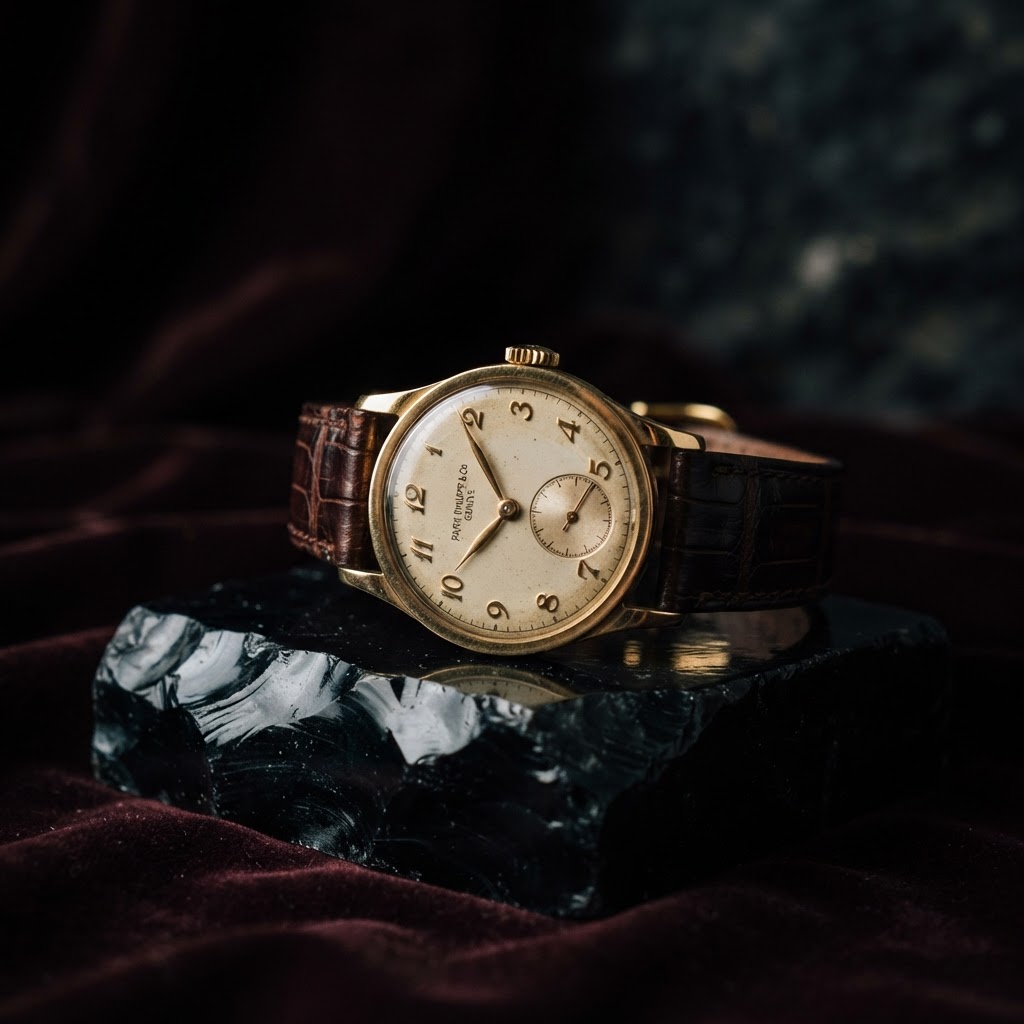
In the rarefied circles of Sloane Square and Mayfair, wealth is no longer merely a matter of acquisition; it is a profound exercise in access. For the ultra-high-net-worth individual, the currency of the 21st century is not capital, but the ability to bypass the queue. Yet, paradoxically, the most successful luxury houses—from Hermès to Patek Philippe—are increasingly tightening the velvet rope, proving that in the digital age, nothing is more coveted than that which cannot be easily obtained.
The Psychology of the Impossible
Dr. Alistair Finch, a senior consultant for family offices in Knightsbridge, observes a shifting paradigm in luxury asset allocation. 'We are seeing a move away from ostentatious displays toward a quiet, almost monastic appreciation for the unobtainable,' he explains. 'Clients are not looking for the newest seasonal drop; they are looking for the singular object that requires an invitation simply to view, let alone purchase.' This is the essence of scarcity strategy: it transforms a product into a privilege, and a purchase into an earned accolade.
The Hermès Blueprint and the Modern Concierge
Consider the Birkin, an object of such fierce market control that it has outperformed the S&P 500 in certain vintages. By maintaining a supply chain that borders on the ascetic, Hermès has created a secondary market that functions more like a private art gallery than a retail environment. For our readers, who rely on boutique concierge services to navigate these waters, the hunt for such rarities is a structured endeavor. It is a game of patience played by the world’s most sophisticated entrepreneurs, where the goal is to cultivate a long-term relationship with a brand that, quite frankly, doesn't need your money.
In luxury, the price is not the barrier to entry; the barrier is the brand's willingness to allow you to pay it.
Investment as Identity
For the private banking sector, the surge in 'passion assets'—be it limited-production hypercars from Pagani or ultra-rare horology—signals a fundamental change in wealth management. Family offices are now allocating significant portions of portfolios into categories once dismissed as mere whims. This is not about liquidity; it is about the acquisition of cultural capital. When an entrepreneur secures a timepiece that exists in a run of only five, they are not just buying a watch; they are buying entry into a global network of peers who understand that true value is born of limitation.
The Future of Exclusivity
As we look toward 2027, the brands that will dominate are those that resist the siren call of mass-market scale. The democratization of luxury, which defined the mid-2000s, is being forcefully reversed. We see this in the surge of bespoke hospitality—private estates in the Maldives that require a background check for booking, or members-only clubs in London where the waitlist is measured in years, not months. The message is clear: if you can find it on a website, it is likely not worth the pursuit. True luxury is, and must always remain, a closely guarded secret.
Ultimately, for the Chelsea Monthly reader, the art of the acquisition lies in understanding that scarcity is not a marketing tactic—it is a philosophy of respect for the craft. In a world of noise, the quietest items—those most hidden, most elusive, and most difficult to secure—are the only ones that truly endure.