The Currency of Inaccessibility
In the quiet corridors of Mayfair’s most prestigious family offices, a quiet revolution is underway. For decades, the luxury sector chased the democratization of desire, expanding product lines to capture the aspirational middle class. Yet, as we approach 2027, the most sophisticated investors and curators of capital are observing a sharp correction. The new benchmark for value is no longer mere excellence; it is the deliberate, strategic engineering of absence.
The Hermès Doctrine
Consider the enduring dominance of Hermès. While competitors struggle with the volatility of inventory glut, Hermès remains the gold standard of the scarcity model. By keeping the Birkin and Kelly bags behind an invisible velvet rope of waitlists and client history, they transform a leather accessory into an asset class that consistently outperforms traditional equities. It is a masterclass in behavioral economics: when access is restricted, desire is amplified.
The most precious commodity in the 21st century is not the product itself, but the exclusivity of the privilege required to acquire it.
Beyond the Retail Floor: Hospitality and Concierge
This strategy of controlled access has permeated the upper echelons of premium hospitality. From the invite-only residences at The Connaught to private members' clubs that require a multi-year vetting process, the message is clear: if you can pay for it, you might be a client; if you are invited to it, you are part of the ecosystem. For the high-net-worth individual, the value lies in the 'no'—the understanding that the brand reserves the right to deny service, thereby protecting the sanctity of the brand’s community.
The Investment Lens
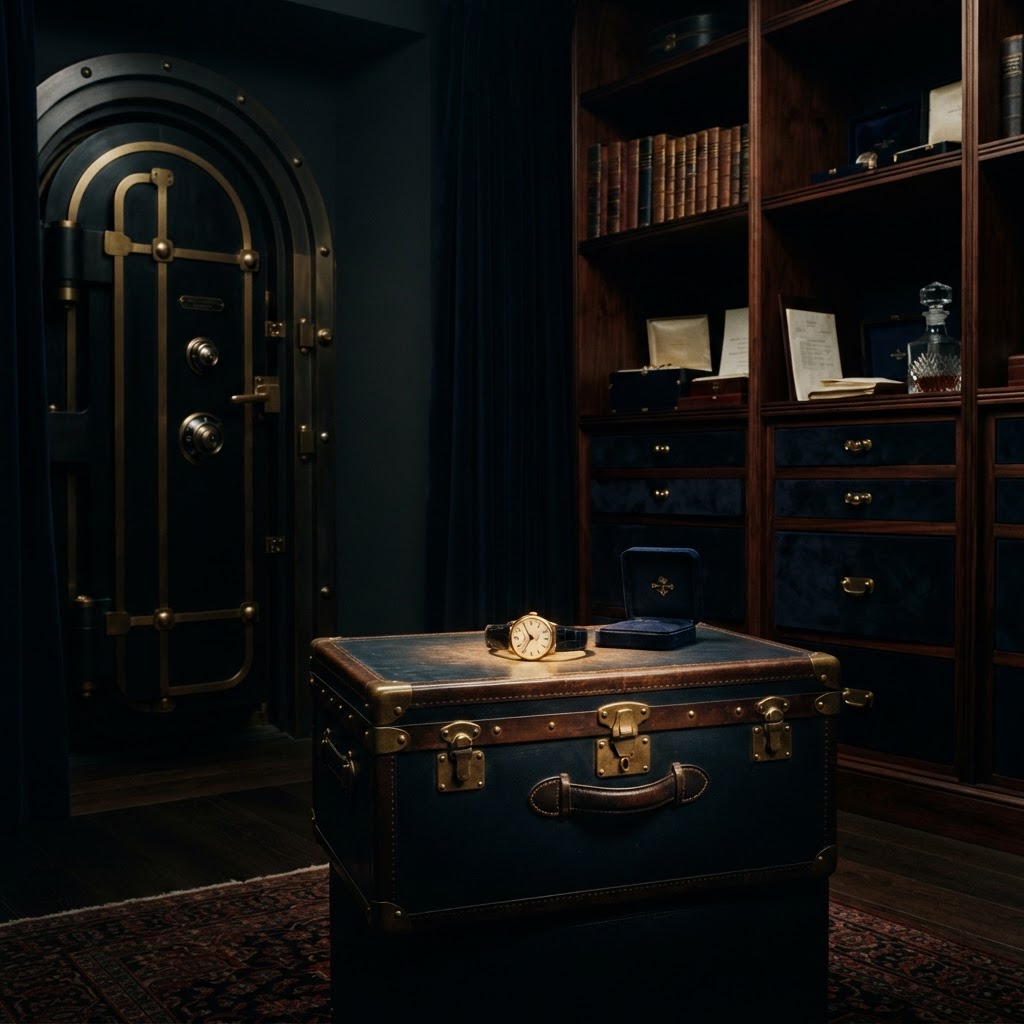
For family offices managing multi-generational wealth, luxury brand strategy is now a pillar of asset allocation. We are seeing a shift toward 'hard' luxury—watches, rare spirits, and high-jewelry—that benefit from the 'scarcity premium.' When a watchmaker like Patek Philippe limits annual production, they aren't just managing supply chain logistics; they are protecting the long-term investment horizon of their patrons. It is a symbiotic relationship between maker and collector that favors the patient.
The Future of Elite Commerce
As we navigate the next decade, the brands that win will be those that have the courage to walk away from mass-market growth. True luxury must remain unreachable to the many to remain essential to the few. In a world of infinite digital noise, the ultimate sign of status is the ability to own something that simply cannot be bought off the shelf. Silence, rarity, and the velvet rope—these are the foundations of the new luxury order.