The Anatomy of Desire
In the quiet, wood-paneled corridors of London’s private banking institutions and within the glass-walled boardrooms of Mayfair family offices, a subtle shift in conversation has taken hold. For the modern ultra-high-net-worth individual, the currency of the realm is no longer merely financial; it is accessibility. As global markets fluctuate, the world’s most venerable luxury houses—from the vaulted ateliers of Hermès to the bespoke workshops of Patek Philippe—have mastered the oldest trick in the merchant’s playbook: the deliberate cultivation of absence.
True luxury is the antithesis of the accessible. It thrives on the tension between a profound desire to own and the calculated impossibility of procurement.
As entrepreneurs and wealth managers observe, scarcity is not a hurdle; it is the ultimate luxury strategy. It signals that a brand is not beholden to the whims of quarterly growth targets, but rather to the enduring sanctity of its legacy.
The Architecture of the Waitlist
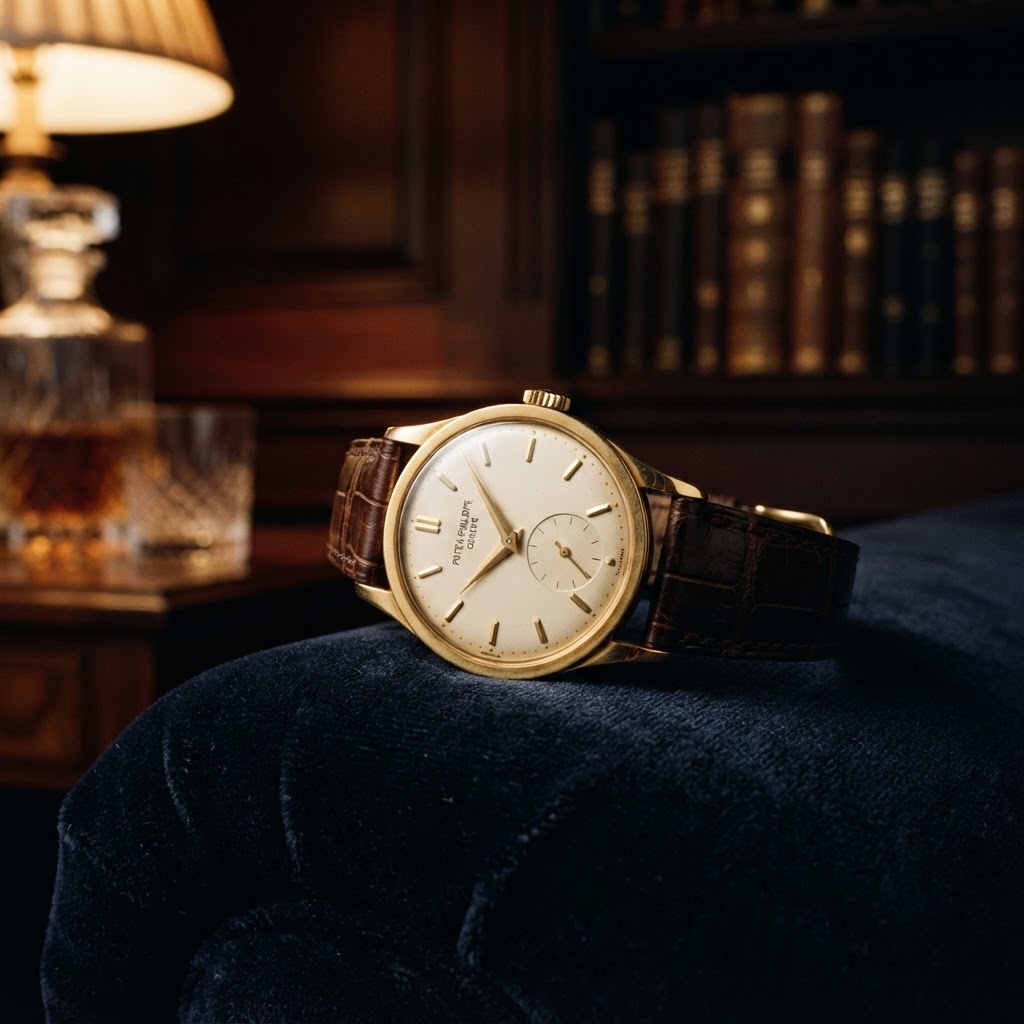
Consider the contemporary strategy of high-end watchmaking. When a client visits an authorized dealer in Geneva or Bond Street, they are not merely purchasing a mechanical instrument. They are entering a hierarchy. By artificially limiting production, houses like Audemars Piguet and Rolex have transformed timepieces into tangible assets that often outperform traditional indices. This scarcity-driven model has effectively turned the luxury consumer into a gatekeeper of their own social standing.
For the family office advisor, this poses a fascinating paradox. We see clients who could easily liquidate assets to bypass traditional routes, yet they find that money, quite suddenly, has lost its utility. When a private concierge informs a client that a limited-edition handbag or a commission for a specific artist is simply 'unavailable,' the desire does not diminish; it intensifies. This is the luxury sector’s most potent weapon: the preservation of the 'want' through the denial of the 'have.'
Luxury Beyond the Transaction
This strategy extends deep into the realm of premium hospitality. Consider the ultra-exclusive clubs of London and the private villa retreats in the Maldives. The most aspirational destinations do not market themselves through accessibility; they market through the rigors of their vetting processes. Membership is not granted; it is earned. By creating a vacuum where exclusivity reigns, these institutions ensure that their clientele is as curated as their interiors.
Entrepreneurs looking to enter the luxury space must understand that scale is often the enemy of premium value. The moment a brand becomes ubiquitous, it loses the 'aura' that Walter Benjamin once identified as the hallmark of true art. Today, that aura is maintained by the deliberate friction in the acquisition process. Whether it is a private bank managing wealth for a select few or a fashion house producing only a handful of runway pieces, the objective remains the same: ensure that the brand remains a destination, not a commodity.
The Future of Rarity
As we look toward 2027, we anticipate an even greater tightening of the luxury funnel. Digital scarcity, through blockchain-verified provenance and private digital tokens, is beginning to bridge the gap between physical and intangible assets. Yet, the underlying ethos remains unchanged. Luxury is defined by what it excludes. For those in the upper echelons of global wealth, the most meaningful items they own are not those they bought off a shelf, but those they had to fight—and wait—to secure.
In the final analysis, scarcity is the ultimate signifier of power. It dictates that while capital may be globalized, prestige remains profoundly local and intensely private. The brands that understand this—those that have the courage to say 'no' to the masses—are the ones that will define the next century of investment and lifestyle.