
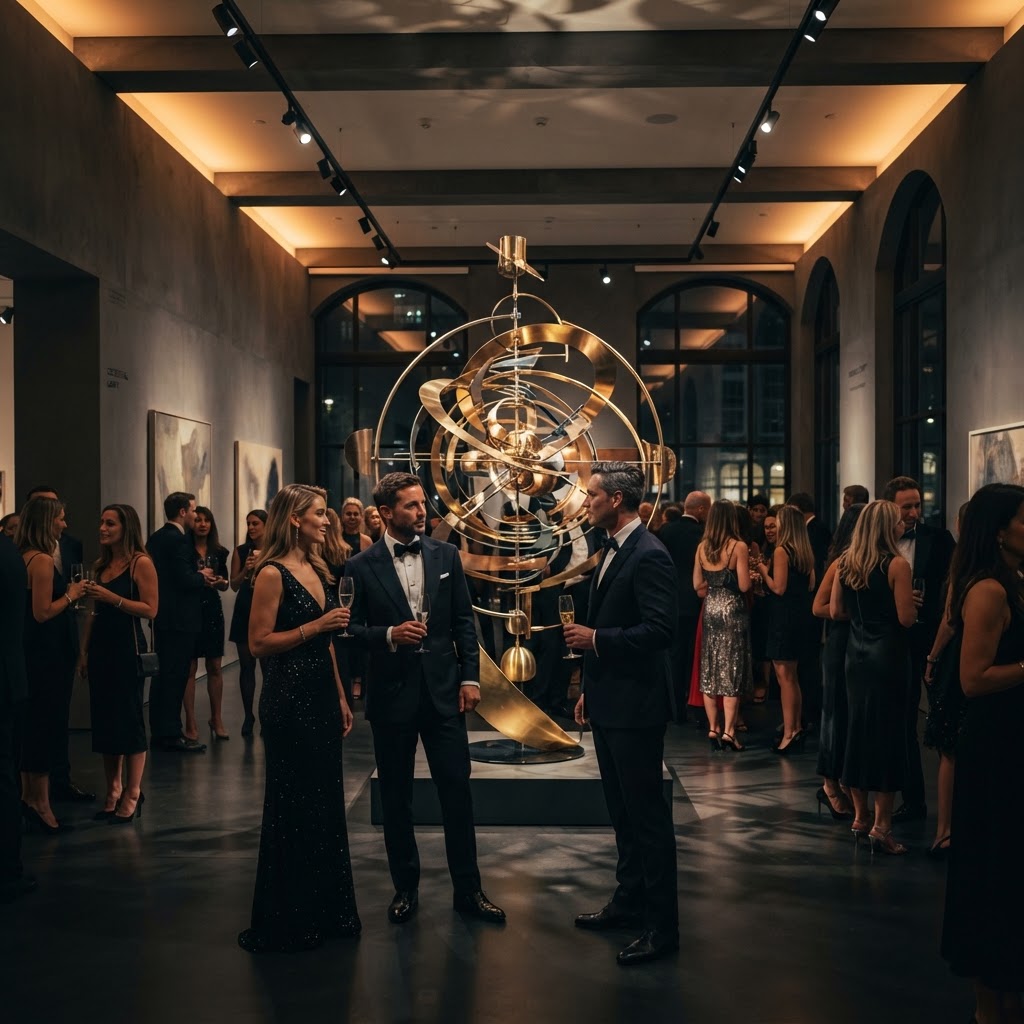
As the crisp autumn air settles over the Thames, Chelsea’s cultural ecosystem is undergoing a profound transformation. In 2026, the district is no longer merely a bastion of tradition; it is the epicenter of a new, hyper-curated renaissance that blends historic grandeur with the volatile, exciting pulse of the digital-physical art convergence.
The Gallery Evolution
Stepping into the newly unveiled Pavilion of Contemporary Thought on King’s Road, one is struck by the shift in acquisition strategy among London’s elite collectors. It is no longer enough to own a blue-chip canvas; the discerning resident now seeks immersive, multi-sensory experiences. Gallery directors like Julianne Vane are championing this transition, integrating ephemeral installations that challenge the very definition of private ownership.
In this age of digital ubiquity, the physical experience of art has become the ultimate luxury commodity. We are moving from 'buying art' to 'commissioning experiences' that exist only for an audience of few. — Julianne Vane, Director of The Chelsea Atelier
Private Salons and Secret Premieres
The social calendar is punctuated by a return to the private salon. Last month, the exclusive premiere of 'The Vermeer Cipher'—a short film commissioned for the Royal Court’s 70th-anniversary gala—saw guests sipping vintage Krug in a space that felt more like a 19th-century drawing room than a modern cinema. These events, strictly invite-only, have become the true currency of Chelsea’s social hierarchy.
Meanwhile, the intimacy of the opera has been revitalized by underground recitals hosted in subterranean galleries near Cheyne Walk. Here, world-class sopranos perform for audiences of fewer than twenty, creating an acoustic clarity that the grandeur of the Royal Opera House simply cannot replicate. It is this return to the micro-experience that defines the 2026 season.
A Curated Future
For the HNW individual, the art scene is not just about the objects on the walls but the narratives they inhabit. Whether it is the private dinner clubs featuring live ballet vignettes or the high-stakes auction houses experimenting with generative AI collaborations, Chelsea is asserting its dominance as the world’s most refined cultural laboratory. To exist here in 2026 is to be at the intersection of history and the avant-garde, always one step ahead of the global consensus.