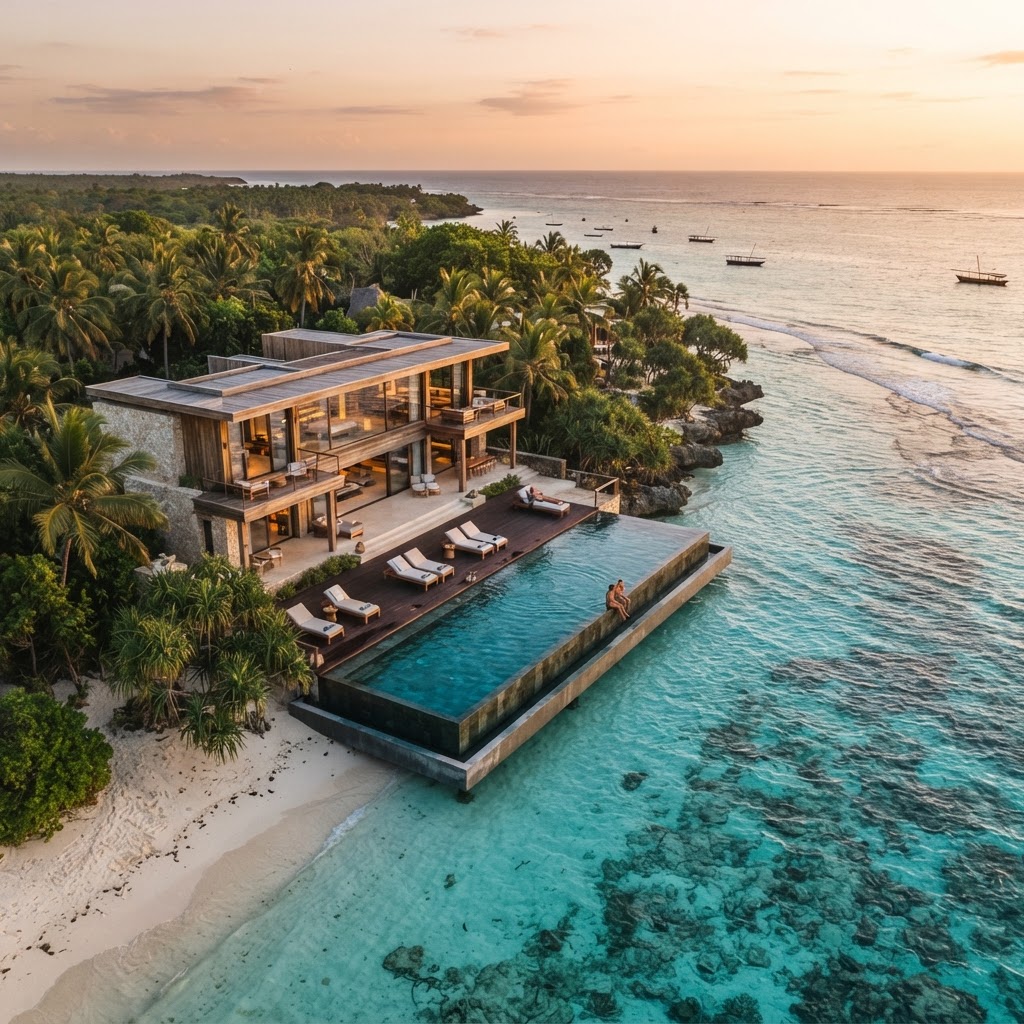
In an era where connectivity is constant, the ultimate luxury has shifted from the grand palatial suite to the profound, aching silence of the private archipelago. For the high-net-worth traveler of 2026, the criteria for paradise have evolved; it is no longer about the gold-plated faucet or the ubiquitous butler service. It is about the absolute autonomy of geography—the ability to disappear completely from the digital panopticon.
The Rebirth of Exclusivity: Beyond the Brochure
As we navigate the latter half of the decade, the concept of the 'private island' has undergone a metamorphosis. We are seeing a move away from hyper-commercialized resorts toward what I call 'conscious isolation.' This is the domain of low-impact, ultra-high-design villas that tread lightly upon the earth while providing a standard of hospitality that defies current logistics. Take, for instance, the emerging sanctuary of Velaa Prive in the Maldives, where the architecture mimics the organic curvature of the sea, and your nearest neighbor is a three-mile stretch of turquoise nothingness.
The Hebridean Frontier
Perhaps the most unexpected trend for 2026 is the migration toward the raw, elemental beauty of the Northern latitudes. The private islands of the Scottish Hebrides are now commanding as much, if not more, prestige than their tropical counterparts. These are not places for sun-seeking; they are retreats for the soul, characterized by roaring fireplaces, library collections that rival the Bodleian, and private chefs sourcing the finest langoustine from the surrounding Atlantic mists. It is a rugged, unapologetic form of elegance.
The true measure of a sanctuary is not how much you are served, but how little you are reminded of the world you left behind.
Arrival Protocols: The Art of the Approach
The journey remains the defining chapter of the experience. The 2026 jet-set elite are eschewing commercial hubs in favor of direct-to-heli transfers from private aviation terminals in Farnborough or Teterboro. The arrival experience at places like the recently opened Cayo de Silencio in the Caribbean involves a seamless transition from a Gulfstream G700 to a custom-fitted amphibious sea-plane, ensuring that the transition into your private sanctuary is entirely private. There is no customs line; there is only the concierge meeting you on the jetty with a vintage Krug and the cooling trade winds.
The Rise of Hyper-Personalized Ecology
Luxury is increasingly being defined by stewardship. Our readers are asking: what is the ecological impact of this stay? The most exclusive islands of 2026 are self-sustaining, powered by proprietary micro-grids and desalinization tech that makes them net-zero. It is a quiet form of activism—experiencing the world’s most fragile ecosystems without leaving a fingerprint. Whether you are chartering a superyacht to visit the remote reefs of the Raja Ampat or sequestering yourself in a glass-walled pavilion in the Seychelles, the mandate is clear: the wilderness must remain wild.
Ultimately, these escapes are not just destinations; they are states of mind. In 2026, the most precious commodity is the right to be unreachable. As you plot your course for the coming year, remember that the map is not the territory. The map is merely a suggestion—the real discovery happens when you cast the anchor, silence your devices, and listen to the pulse of the tide.